Downtown Phoenix Condo Lifestyle & Urban Living Guide
February 19, 2026
February 19, 2026
What if your morning coffee, a gallery stroll, and a Suns game were all a short walk or light-rail ride from home? If you are weighing a condo in Downtown Phoenix, you are likely drawn to access, culture, and a lock-and-leave lifestyle that feels different from most Valley neighborhoods. You also want clear answers on buildings, costs, and trade-offs. This guide gives you a practical, local-first look at downtown condo living so you can buy with confidence. Let’s dive in.
Downtown Phoenix is the city’s urban center, with offices, arts venues, sports arenas, and historic districts clustered into a compact footprint. The Downtown Phoenix Partnership highlights frequent events and a growing dining scene that keep the streets active day and night. Explore the broader downtown overview and events on the Downtown Phoenix Partnership site for a feel of the area’s energy and calendar at Downtown Phoenix Partnership.
The district includes named subareas such as the Downtown Core, Warehouse District, and Roosevelt Row, with nearby historic neighborhoods that add character and architectural variety. For context on boundaries and districts, review the general overview on Downtown Phoenix.
Downtown ranks among Phoenix’s most walkable areas. Many errands, restaurants, and venues sit within short walks from condo buildings, which is a core part of the lifestyle. See how the neighborhood scores for walk, transit, and bike access on Downtown Phoenix Walk Score.
Valley Metro light rail runs through the core and links you to museums, arenas, ASU’s downtown campus, and other destinations without relying on a car. If you prefer to pedal, the street grid and growing bike infrastructure make short trips simple.
For frequent travelers and second-home owners, Phoenix Sky Harbor International Airport is a short drive from downtown. Typical drive times often fall in the 10 to 15 minute range depending on your route and time of day, which makes early flights and quick weekend getaways more manageable. Check neighborhood event calendars on Downtown Phoenix Partnership if you plan around game or concert traffic.
Roosevelt Row is the recognized arts district, known for colorful murals, galleries, and the monthly First Friday art walk. These events draw thousands and turn the streets into a lively, walkable market night. Get the latest event details from the Roosevelt Row Arts District.
You will find major cultural anchors nearby, including Phoenix Art Museum and the Heard Museum, plus historic performance spaces like the Orpheum. Year-round programming is a key perk of living central. Explore current exhibitions and hours at the Phoenix Art Museum.
Downtown supports a dense mix of independent restaurants, bars, concert venues, and pop-ups. The local partnership maintains dining guides and rotating event calendars to help you explore what is new each month. For a snapshot of what is happening now, browse the guides on Downtown Phoenix Partnership.
Chase Field and Footprint Center sit within the downtown footprint, creating regular game-day buzz and demand for restaurants and short stays. Stadium funding and upgrade discussions remain active, including recent public funding approvals related to Chase Field that influence long-term planning in the area. For background, see the Associated Press coverage on Chase Field funding.
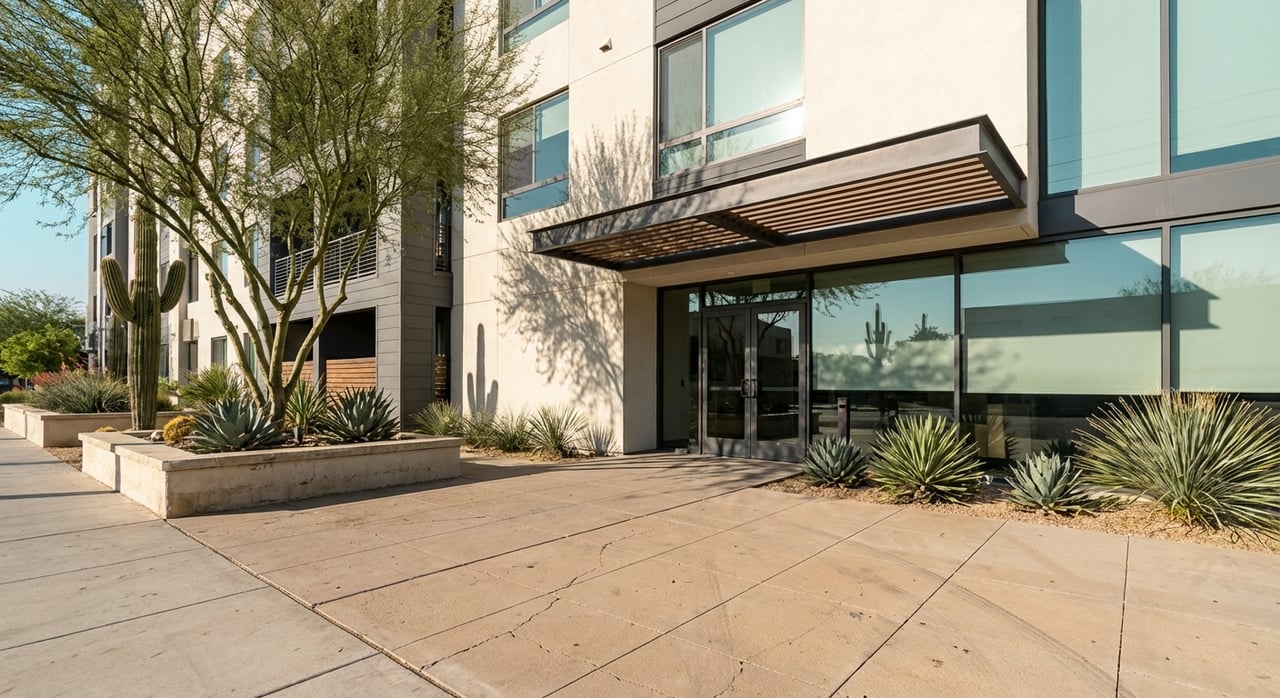
Inventory ranges from older loft conversions in former warehouses to mid-rise and newer high-rise towers, plus some gated low-rise communities. Floor plans typically span studios and one-bedrooms to larger two-bedroom and penthouse layouts. Adaptive reuse and infill mid-rises are common around the arts and warehouse districts, which gives each building a distinct feel.
Downtown condos frequently offer heated pools, rooftop lounges, fitness centers, secure entry or concierge, assigned garage parking, and owner lounges. Some newer towers advertise EV charging and high-speed internet packages. These perks add convenience but also influence monthly HOA dues.
Most buildings include assigned parking, often in a covered or structured garage. Guest parking rules vary by building and can affect your hosting plans. Storage lockers may be available in some towers, which is helpful for bikes, luggage, or seasonal gear.
As of early 2026, neighborhood-level aggregators show Central City and Downtown condo medians in the mid 300s to low 400s. Exact values depend on building, floor, view, and finishes, so you will want live comps when you are ready to write an offer.
HOA dues vary widely by building and amenity set. As a reference point, a recent listing in a high-rise such as Portland on the Park showed a monthly HOA near 956 dollars. Dues often cover exterior or master insurance, common-area utilities, amenity upkeep, building maintenance, and reserves. Always confirm the current inclusions for your target building.
Arizona’s effective property taxes are relatively low compared with many states, often cited around the 0.4 to 0.6 percent range at the state level. Actual taxes depend on assessed value and local levies, so it helps to translate rates into monthly estimates for your price point. For state-by-state comparisons, review the overview on Bankrate’s property tax guide.
Condo owners typically purchase an HO-6 policy to cover the interior, personal property, and liability, while the HOA’s master policy covers common areas and the building shell according to association documents. Ask for the HOA’s insurance summary early so your insurer can quote coverage accurately. Utilities vary based on building systems and may include some common-area costs in dues.
Lenders may apply extra scrutiny for condos, including owner-occupancy ratios, special assessment history, reserves, and any active litigation. High-amenity towers with larger HOAs or lower owner occupancy can face stricter underwriting. For current context on how rates and HOA fees influence demand, see industry commentary on condo market headwinds.
If you plan to rent your unit, confirm leasing rules and minimum lease terms in the CC&Rs. Some associations limit short-term rentals or require longer minimums, which can affect returns and financing. Building financial health, reserves, and any pending assessments will also influence your ownership costs and resale outlook.
Downtown attracts a mix of lifestyle-focused buyers, including young professionals who value walkability, downsizers seeking low maintenance, ASU-affiliated buyers, and some investors and second-home owners. National survey data shows the median buyer age has risen and cash transactions have become more common, which can shape competition for well-priced urban condos. For national buyer profile context, review the latest highlights from NAR’s buyer report.
Choose downtown if you want walkable access to arts, dining, and events with less reliance on a car. Expect a social, event-driven rhythm, especially on First Fridays and game nights. If you prefer quiet streets and large private outdoor spaces, a suburban townhome or single-family residence may be a better fit.
When you are ready to focus on buildings that match your lifestyle and budget, we will help you compare options, read HOA documents, and negotiate from a position of strength. Start your search with Mike Swanson E&V to get boutique guidance backed by global reach.
Stay up to date on the latest real estate trends.
At Mike Swanson Estates, we deliver a seamless, elevated real estate experience rooted in market expertise, white-glove service, and a deep understanding of Scottsdale’s most desirable communities.